The Importance of Spatial Planning in Modern Interior Design
“A beautiful space means nothing if it doesn’t function well. Spatial planning is the foundation of great interior design — ensuring every square foot works efficiently while maintaining comfort and flow.”
Maximizing Space Efficiency
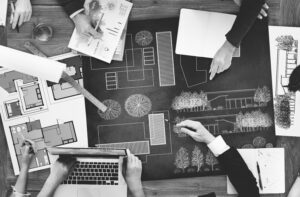
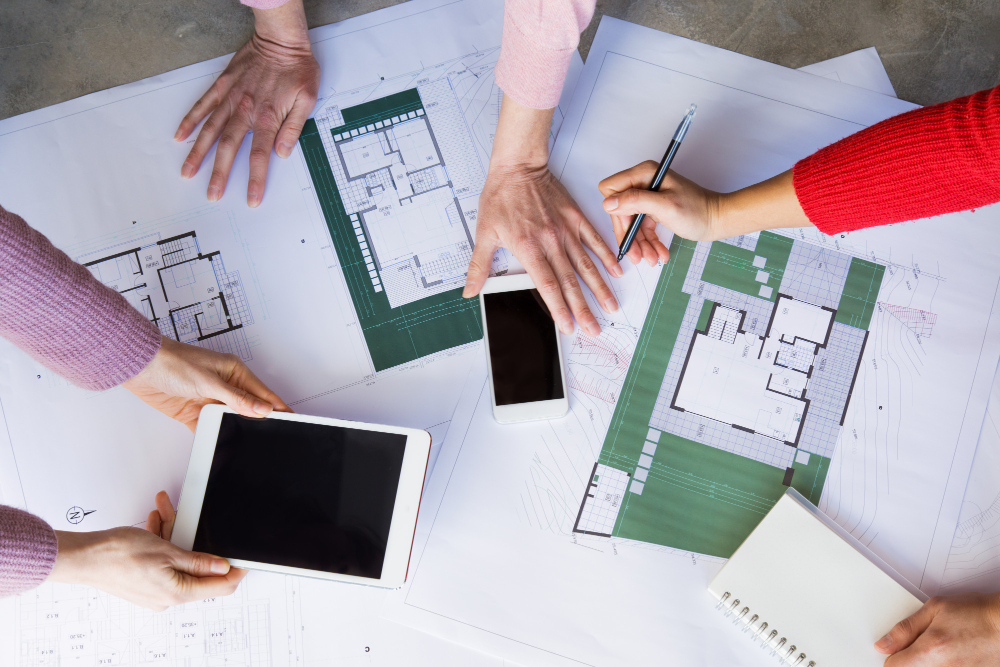
Proper spatial planning ensures no area is wasted. Whether working with compact apartments or large commercial offices, layouts are designed to enhance usability. Furniture placement, storage integration, and movement flow are carefully considered. The result is a space that feels open, organized, and purposeful.
Improving Functionality & Comfort
Good design balances aesthetics with practicality. Spatial planning analyzes how people move and interact within a space. By understanding daily routines and functional requirements, layouts are created to enhance convenience. This leads to improved comfort and a more enjoyable environment.
Enhancing Natural Light & Flow
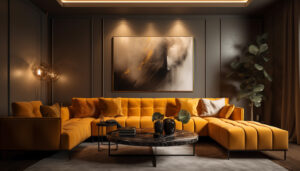
Strategic layout planning can significantly improve natural lighting and circulation. Positioning furniture and partitions thoughtfully allows light to travel freely. This not only enhances visual appeal but also contributes to a healthier and more welcoming atmosphere.
Supporting Future Flexibility
Modern spaces must adapt over time. Effective spatial planning considers potential future changes — whether expanding a family home or scaling a business. Flexible layouts allow for adjustments without major renovations, making the design long-lasting and practical.
Increasing Property Value
Well-planned interiors often increase property value. Buyers and tenants appreciate spaces that feel intuitive and functional. A thoughtfully designed layout can make a property stand out in competitive markets.


About author